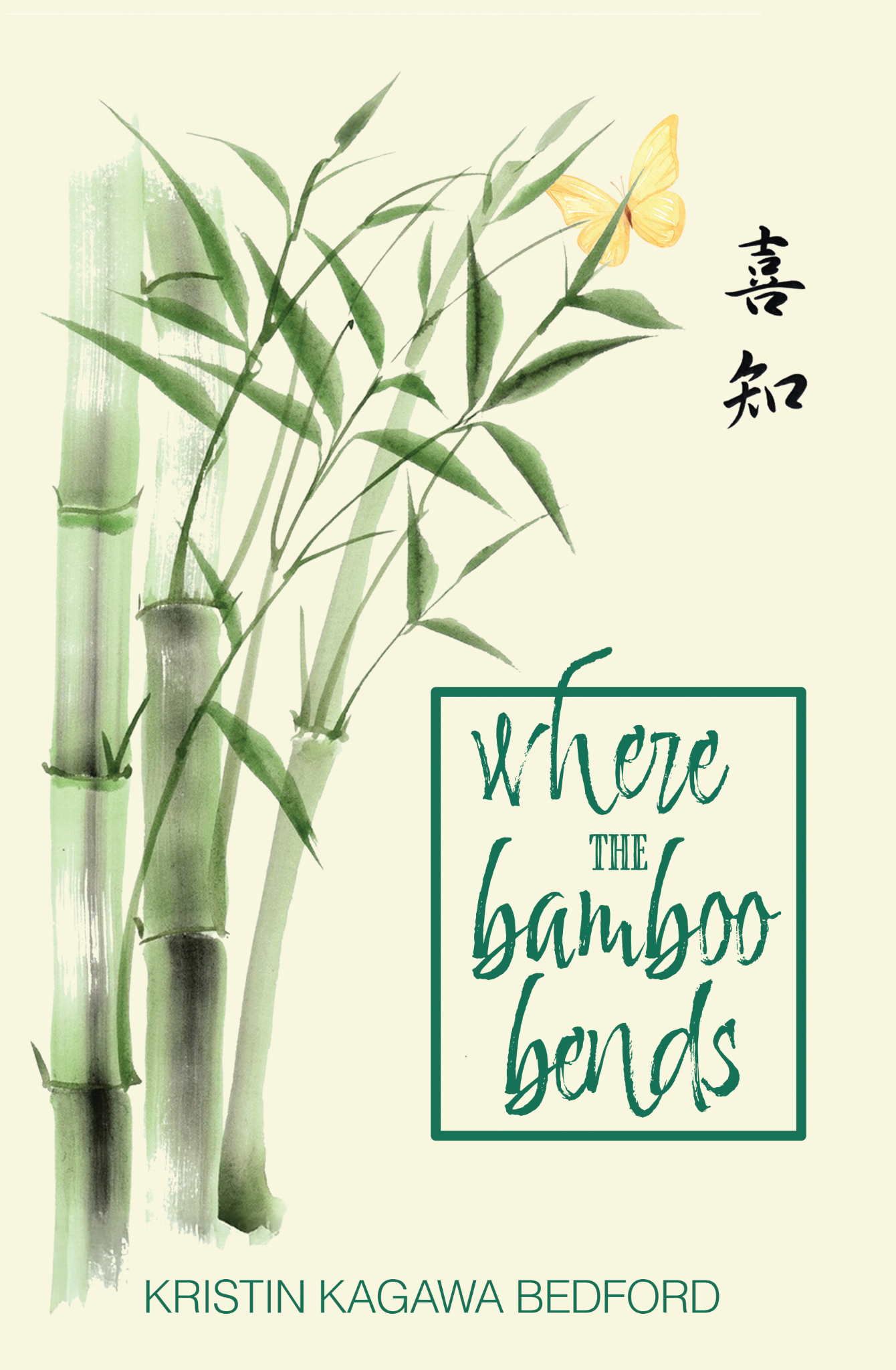
Where the Bamboo Bends
Told through intimate diary entries spanning 1913 to 1919 and inspired by the life of the author’s great-grandmother, this atmospheric historical novel follows one young woman’s journey from childhood into an adulthood shaped by sacrifice, displacement, and resilience.
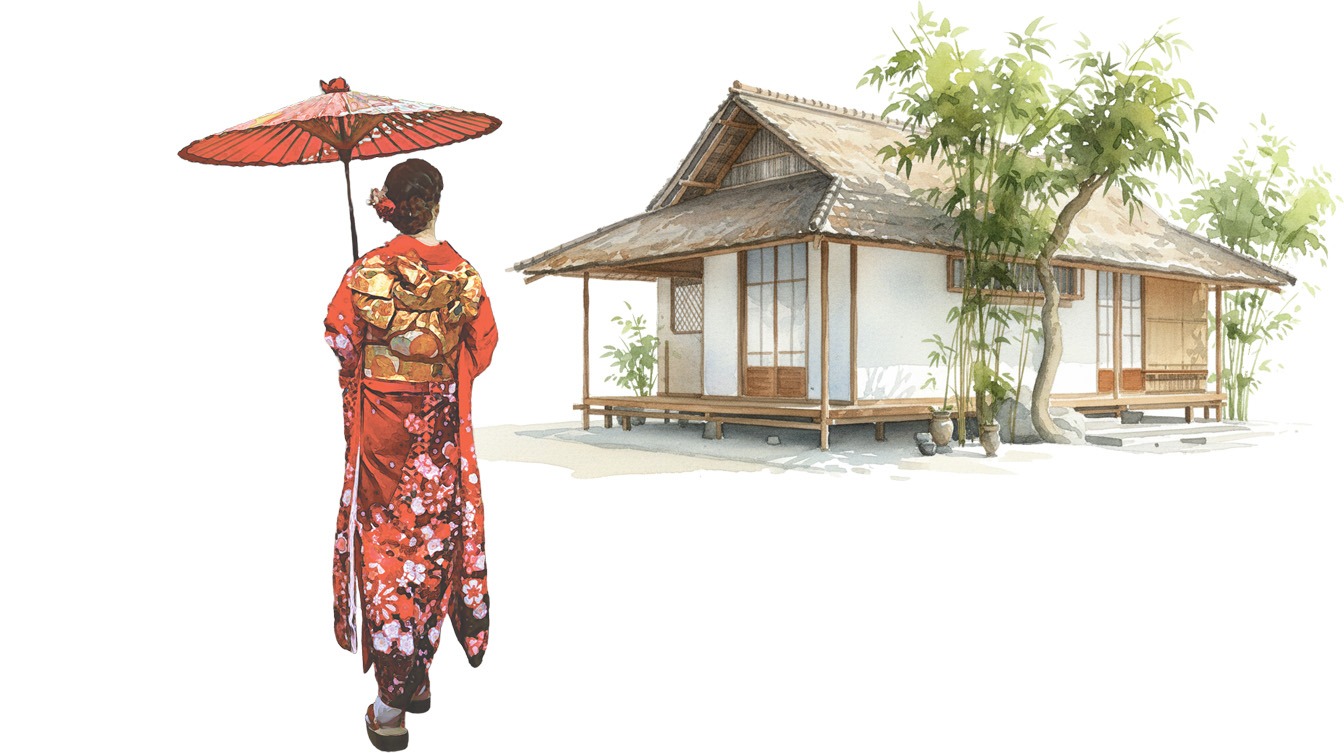
Japan, 1913. At sixteen, Kichi Murakami learns she is to marry a man from her village who is building a life in America. In a single moment, her carefree girlhood is replaced by duty, sacrifice, and a future she did not choose.
Kichi begins a diary to preserve the life she leaves behind. As preparations for her arranged marriage consume her days, she navigates the relentless expectations placed upon a Japanese daughter.
Expectations she has no power to refuse.
When the voyage across the Pacific ends, America is not the land of prosperity Kichi imagined. Rice grows within sight of her window, yet she rations every grain and learns to supplement her meals with bread, her first lesson in becoming American.
On the flat Texas prairie, she spends her days in isolation while her husband labors from sunup to sundown. Far from home and surrounded by a language that has no words for what she is losing, she turns to her diary to quiet the loneliness. In its pages, Kichi fears the girl who left Japan is disappearing beneath the demands of becoming American.
Will Kichi be able to honor her obligations without surrendering herself?
Japan, 1913. At sixteen, Kichi Murakami learns she is to marry a man from her village who is building a life in America. In a single moment, her carefree girlhood is replaced by duty, sacrifice, and a future she did not choose.
Kichi begins a diary to preserve the life she leaves behind. As preparations for her arranged marriage consume her days, she navigates the relentless expectations placed upon a Japanese daughter.
Expectations she has no power to refuse.
When the voyage across the Pacific ends, America is not the land of prosperity Kichi imagined. Rice grows within sight of her window, yet she rations every grain and learns to supplement her meals with bread, her first lesson in becoming American.
On the flat Texas prairie, she spends her days in isolation while her husband labors from sunup to sundown. Far from home and surrounded by a language that has no words for what she is losing, she turns to her diary to quiet the loneliness. In its pages, Kichi fears the girl who left Japan is disappearing beneath the demands of becoming American.
Will Kichi be able to honor her obligations without surrendering herself?
